
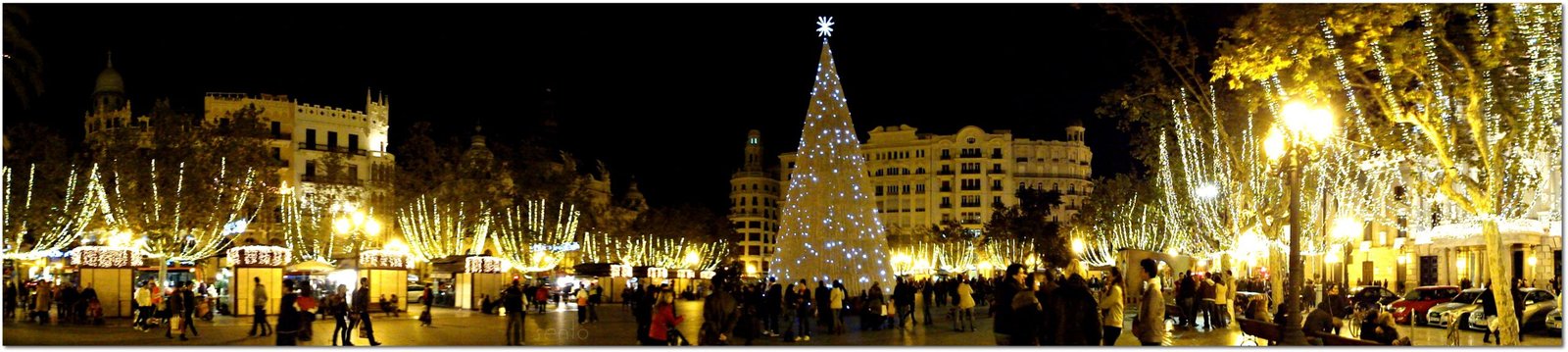
With the Christmas season dawning upon us, officially marked by the hoards of people headed down to Plaza Ayuntamiento to watch someone turn on the fairy lights, it’s a good time to talk about the unique traditions that make Spanish Christmas so special. We’ll have another blog post up next week, filling you in on the various festivities coming up, so keep an eye out for that. Now, let’s get into this weeks guide – leaving the best until last!
No Turkey? No Problem.
Forget everything you know about your typical Christmas dinner. Depending on where you’re from, you might be picturing a turkey, green bean casserole, an assortment of pies.. In my case, yorkshire puddings, pigs in blankets, roasted parsnips, honey roasted ham… Ok, I might be slightly biased. Although tradition will vary from region to region, and household to household, one thing generally holds true, Spanish families swap the meat for seafood. While certain products like cheese, ham, turrón and seafood are popular with most of the country, there are some regional differences, with areas like Andalucía featuring seafood heavy dishes, prawns, crab legs etc whilst up north in Cantabria the typical dish is caracoles (snails) en salsa o a la montañesa.
The emblematic Christmas postre has to be Turrón or Polvorones – you can’t go wrong with bringing that to a Christmas party. Turrón is a kind of nougat, typically it comes in thick bars made from ground almonds, sugar, honey and egg whites although plenty of variations have been created throughout the years.
There’s two main players in the Turrón game:
Turrón de Alicante: Hard, brittle nougat with whole almonds.
Turrón de Jijona: Soft, smooth nougat made from ground almonds.
Then we have Polvorones – I would argue this is quite an acquired taste. Similar to mantecados (shortbread) they are made with wheat flour, sugar, lard cinnamon and occasionally ground almonds. However, polvorones have a slightly more powdery texture, and have been traditionally associated with Christmas due to their main ingredients typically being harvested in autumn, so by the 19th century they were established at Christmas markets in towns like Estepa and Antequera.
Spain waits for the Kings (Not the Guy in the Red Suit)
While the rest of us are already packing away our tinsel and cracking open our 2026 planners, in Spain the festive season is still in full swing! I never quite understood that the main day of celebrations, especially when it comes to gift-giving, doesn’t fall on December 25th, but on January 6th. Yes, after New Year’s Day! The night before, the Three Kings parade through Valencia on floats in the Cabalgata, tossing out sweets and waving to kids—though I’ve noticed a fair few adults elbowing their way to the front, too. It’s also the perfect moment for little ones to give their favorite kings a polite reminder about their wish lists—as seen in the viral video a few years ago of a kid reminding Baltasar to bring him a brand-new patinete (electric scooter).
It all comes to an end with a Roscón de Reyes, you might have seen them around already – they’re hard to miss. Oval shaped cake, sort of like a huge bagel with a cream filling and colourful candied fruits and almonds. It’s actually very nice, but not without it’s complications. Within the filling of each cake, are two hidden figurines: a bean, and a king. (The king can sometimes be a baby Jesus) The unlucky bean-finder must pay for next years cake, and the ‘winner’ is crowned king for a day with a paper crown. The bean was originally a sign of prosperity in this game, dating back to the Roman Saturnalia festival, and now it basically means you’re getting the next one!

Spain’s Cheekiest Christmas Figure (Literally)
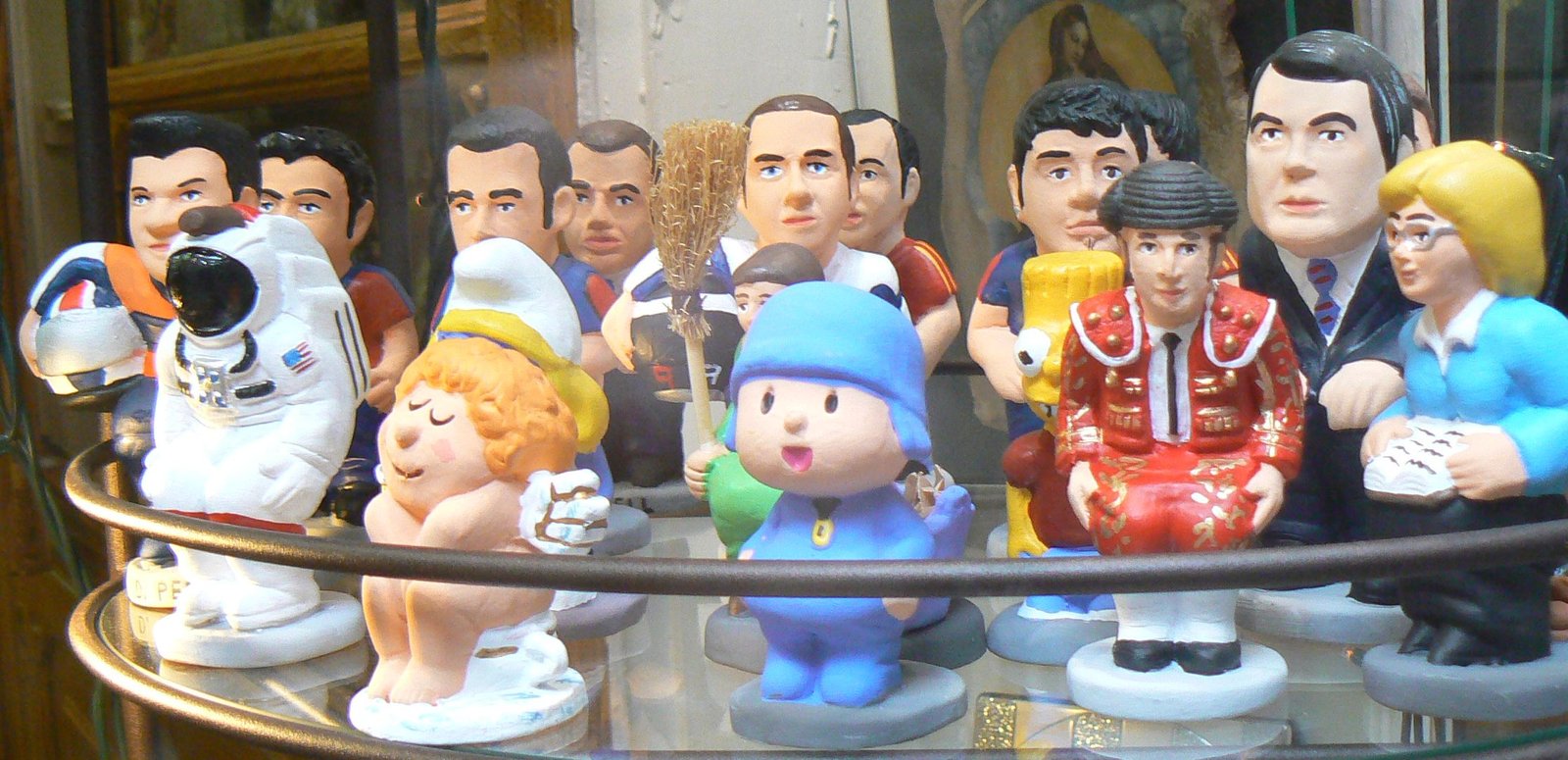
Last but not least, the Caganer. This figurine, originating in Catalunya, translates to ‘The Pooper’ and it has been photobombing the nativity scene since the late 17th century. It’s exactly what it sounds like, a tiny figure, squatting and well.. Pooping. But despite how it might, this is a tradition deeply rooted in symbolism, originally thought to bring fertility and good luck, through the act of ‘fertilizing’ the earth and bring about good harvest in the coming year. It also symbolises equality and humanity, bringing a touch of humor to the nativity scene and reminding us that we’re all equal (king or shepard). The original guy is a traditional Catalonian peasant, wearing a red cap known as the barretina, but throughout the years it has transformed, and modern versions of the Caganer have been created from famous figures including footballers and film stars- you might have even spotted some featured in Fallas!
We’ll be back with a full run-down of events happening this December, so keep an eye out for that.
For any inquiries, please contact:
contact@steppingstonerentals.com